Teacher Mode Embroidery Design File Review
As I curate my upcoming seasonal collection, I am constantly evaluating which digital assets will translate best from screen to fabric. The transition from late summer into the autumn selling season requires designs that bridge the gap between functional back-to-school gear and cozy holiday aesthetics. After reviewing the Teacher Mode Embroidery Design File, I see significant potential for this asset in my shop’s lineup. It captures a specific emotional tone that resonates with educators, parents, and gift-givers during this busy retail window. This review outlines my professional assessment of how this machine embroidery design performs in real-world production scenarios, specifically for sellers targeting the education and seasonal gifting markets.
First Impressions: Whimsy Meets Seasonal Utility
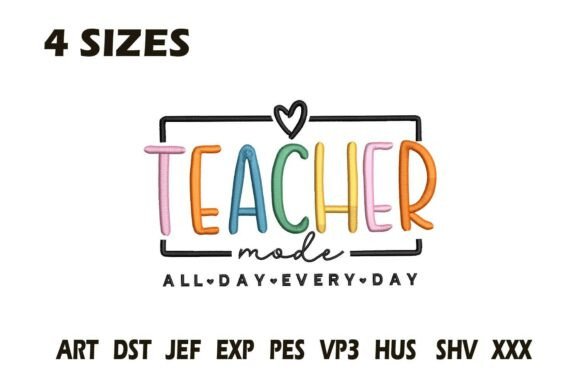
My initial evaluation of any embroidery file focuses on its emotional hook and technical clarity. The Teacher Mode Embroidery Design File immediately strikes a balance between playful charm and professional neatness. Unlike generic school-themed graphics that can feel sterile or overly juvenile, this design carries a whimsical quality that appeals to adult buyers purchasing for themselves or as personalized gifts. The aesthetic feels modern yet nostalgic, making it suitable for a wide demographic ranging from new teachers to retired educators looking for sentimental keepsakes.
From a technical design perspective, the artwork appears optimized for digitizing. The lines are distinct enough to prevent muddiness when stitched, which is crucial for maintaining visual recognition on textured fabrics. As an experienced designer, I appreciate that the style does not rely solely on tiny text or excessive gradient fills, which often fail during production. Instead, it utilizes bold shapes and clear negative space, ensuring the finished product looks crisp whether viewed in a social media mockup or held in hand at a craft fair. This versatility is essential for maintaining brand consistency across different product types.
Strategic Product Applications for Holiday Selling
When planning a seasonal drop, I need assets that work across multiple SKUs without requiring constant redigitizing. The Teacher Mode Embroidery Design File offers excellent adaptability for various holiday and back-to-school products. Here is how I envision integrating this design into a profitable collection:
- Sweatshirt Embroidery: This is the primary revenue driver for the season. Placing this design as a left-chest logo or a centered back print on crewnecks creates an instant bestseller. The whimsical nature of the design softens the bulk of heavy fleece, making the garment feel more like a lifestyle piece than a uniform.
- Tote Bag Design: Canvas totes are high-margin items for Etsy sellers. This design scales beautifully to fill a 5x7 hoop on natural canvas. The contrast of colored thread against unbleached cotton highlights the stitch texture, adding perceived value to what is essentially a simple blank.
- Kitchen Towel Embroidery: For the holiday gifting segment, tea towels featuring this design serve as perfect hostess or teacher appreciation gifts. The design’s playful tone fits the domestic setting without being out of place during Thanksgiving or winter holiday gatherings.
- Pillow Cover Accents: Home decor allows for higher price points. Using this design on linen or cotton pillow covers transforms it into a seasonal decoration that teachers can display in their reading nooks or classrooms.
- Embroidered Patches: Creating standalone patches using this file allows customers to customize their own denim jackets or backpacks. This low-cost entry point encourages impulse buys and introduces new customers to the shop.
Each of these applications leverages the design's inherent charm while addressing specific buyer needs during the peak shopping months. By diversifying the substrate, we maximize the return on investment for this single digital embroidery file.
Technical Considerations and Fabric Limitations
While the Teacher Mode Embroidery Design File is versatile, professional results depend on respecting technical boundaries. Not every fabric or application is suitable for this specific artwork. As designers, we must manage customer expectations by understanding where this design might struggle.
Small Hoop Sizes and Tiny Lettering: If the design includes intricate script or small details, scaling it down below 3 inches may result in thread breaks or illegible text. Always verify the minimum recommended size before offering baby bibs or pocket-sized placements. If the detail is lost at smaller sizes, exclude those products from your listing to avoid returns.
Thick Towels and High-Pile Fabrics: When stitching on terry cloth or plush blankets, the pile can push through the stitches, obscuring the design. This requires a water-soluble topping and potentially a denser underlay. If you cannot achieve clean coverage on thick towels during testing, limit the design to flat-weave linens or apparel.
Stretchy Garments and Curved Caps: Distortion is the enemy of whimsical designs. On ribbed knits or curved cap brims, the design may warp unless properly stabilized. I recommend avoiding structured caps unless you have successfully test-stitched the file on that specific curvature. For stretchy performance wear, ensure you are using appropriate cut-away stabilizer to prevent puckering after washing.
Metallic Thread Usage: While metallic threads add festive flair, they increase friction and breakage risk. If incorporating metallics into this design for holiday versions, reduce the machine speed and use a larger needle eye. Do not assume the standard digitization accounts for the thickness of specialty threads; adjustments may be necessary to prevent overcrowding.
Enhancing Buyer Emotion and Perceived Value
In the competitive landscape of handmade gifts and commercial embroidery, technical perfection is merely the baseline. True sales conversion comes from emotional resonance. The Teacher Mode Embroidery Design File succeeds because it validates the identity of the wearer. During the back-to-school rush and subsequent holiday season, teachers are often seeking items that acknowledge their profession with warmth rather than stress.
By positioning this design as a celebration of "teacher mode," we tap into a sense of pride and community. When used in gift bundles—such as a matching mug and towel set—the design elevates the perceived value of the entire package. Customers are not just buying embroidered goods; they are buying a feeling of being seen and appreciated. This emotional connection drives engagement on social media previews and increases trust in your brand as a creator who understands their niche. Furthermore, consistent use of this recognizable motif across your shop builds visual branding that makes your listings instantly identifiable in crowded search results.
Designer Notes for Production Success
Before listing any finished product featuring the Teacher Mode Embroidery Design File, adhere to these practical production protocols to ensure quality and compliance:
- Verify Specifications: Since exact stitch counts, formats, and license terms vary, always check the provided documentation for this specific file. Confirm commercial licensing allows for the sale of finished physical products before launching your collection.
- Test Stitch Density: Run a sample on both light and dark fabrics. Dark fabrics often require a white underlay to make colors pop, while light fabrics may show shadowing if the density is too high. Adjust pull compensation based on your test results.
- Select Proper Stabilizer: Match your stabilizer to the fabric texture. Use tear-away for stable wovens like canvas tote bags, and cut-away for stretchy sweatshirt embroidery. Never skip the topping on textured surfaces.
- Create Realistic Mockups: Avoid flat digital overlays. Take photos of actual stitched samples or use high-quality printable mockup templates that show fabric grain. Buyers need to see how the thread interacts with the material to trust the final output.
- Plan Color Palettes: Develop a cohesive thread color chart that aligns with seasonal trends. Test these combinations together to ensure they harmonize. Document your successful palettes so you can replicate them for custom orders efficiently.
- Review Post-Wash Durability: Wash and dry your test sample to check for shrinkage or stabilizer residue. A design that looks perfect fresh out of the hoop but distorts after laundering will damage your reputation as a seller of premium seasonal embroidery.
By approaching the Teacher Mode Embroidery Design File with both creative enthusiasm and technical discipline, you can create a seasonal collection that delights customers and stands the test of time. Whether you are an Etsy seller expanding your inventory or a small business owner preparing for holiday markets, this design offers a reliable foundation for charming, sellable products.