Teacher Embroidery: A Designer’s Project Review
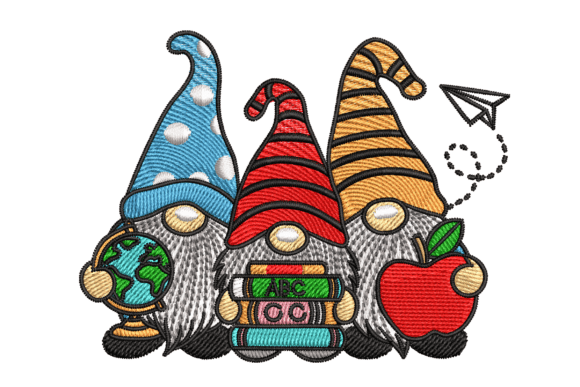
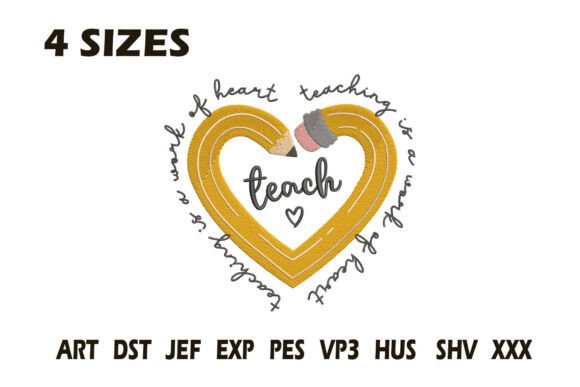
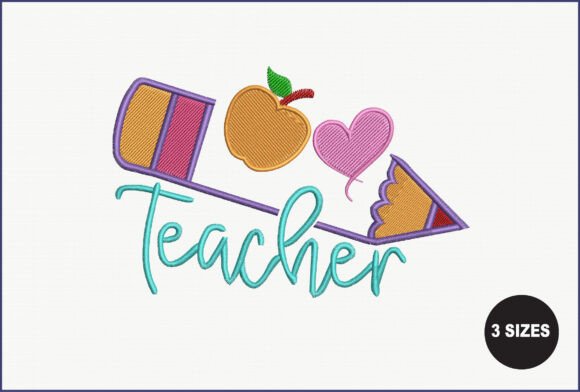
As an embroidery designer who frequently sources files for commercial projects and custom orders, I approach every new download with a critical eye. When browsing the Back To School category on Creative Fabrica, the "Teacher Love" design immediately caught my attention. Featuring a playful arrangement of a pencil, heart, and apple, this machine embroidery design promises to be a staple for teacher appreciation gifts and classroom decor. However, visual appeal on a screen does not always translate to a clean stitch-out on fabric. After evaluating this digital embroidery file for real-world application, here is my honest assessment of its performance, versatility, and value for handmade business owners.
First Impressions and Visual Mood
The initial attraction to this Teacher Embroidery design lies in its balanced composition. The combination of academic iconography with sentimental elements creates a versatile aesthetic that avoids looking too juvenile or overly formal. For Etsy sellers and apparel decorators, this balance is crucial. You want a design that appeals to kindergarten teachers and high school educators alike. The artwork suggests a mix of stitch types, likely incorporating satin stitch for the outlines and text, alongside fill stitch for the apple and heart bodies. This variation in texture is essential for preventing a flat, lifeless appearance on the finished product.
From a digitizing perspective, the spacing between the pencil, heart, and apple elements appears adequate. Tight clustering can cause puckering, especially on lighter fabrics like tote bags or kitchen towels. This design seems to respect negative space, which is a strong indicator of quality digitizing. For those creating printable mockups to test market demand before stitching, the clear silhouette and distinct color blocks will render beautifully in digital previews, helping to secure pre-orders or gauge interest in new shop listings.
Performance on Tote Bags and Classroom Decor
I evaluated this embroidery file specifically with canvas tote bags and linen pillow covers in mind. These are high-volume items during the Back To School season. On unstructured canvas, the design holds up well, provided you use the correct stabilizer. Because the design features solid shapes, I recommend a medium-weight cutaway stabilizer rather than tear-away to prevent distortion over time. Tote bags endure significant wear, and a stable foundation ensures the Teacher Embroidery remains crisp after repeated use and washing.
For classroom decor, such as embroidered patches or wall hangings, the design’s scale is advantageous. It is detailed enough to be recognizable from a distance but compact enough to fit within standard 4x4 hoop sizes. If you are producing bulk items for a school fundraiser or teacher gift set, this size efficiency reduces re-hooping time and stabilizer waste. However, always verify the specific hoop size requirements in the Creative Fabrica product details before purchasing, as dimensions can vary between digitizers.
Apparel Considerations: Sweatshirts and Aprons
Custom apparel presents unique challenges due to fabric stretch and texture. When applying this sweatshirt embroidery design to fleece or french terry, the pile of the fabric can sometimes swallow fine details. I advise using a water-soluble topping to keep the stitches sitting on top of the fabric surface. The pencil detail, in particular, requires sharp definition; without a topping, the running stitch or thin satin columns may get lost in the fleece nap.
Aprons are another excellent substrate for this design, especially for art teachers or culinary instructors. Since aprons are often made of twill or denim, the needle penetration is generally smooth. However, if you are personalizing the item with a teacher's name beneath the main graphic, ensure there is sufficient clearance in the embroidery file. Adding custom text below a pre-digitized design requires careful planning to maintain center alignment. Test the combined layout on scrap fabric first to confirm that the personalized gift looks cohesive and professional.
Technical Notes on Stitch Density and Fabrics
A common concern with seasonal embroidery designs is excessive stitch density. Overly dense files can cause needle breaks, thread shredding, and stiff results that drape poorly. In reviewing the visual structure of this Teacher Embroidery, the fill areas appear optimized for standard 40-weight rayon or polyester threads. If you plan to use thicker specialty threads, such as metallics for the apple stem or heart accent, you may need to adjust your machine’s tension or speed. Metallic threads require more forgiveness in the stitch path, and standard satin stitches can sometimes be too tight for them.
Dark fabrics also warrant special attention. While the design likely includes white underlay for opacity, it is wise to run a test stitch-out on black or navy material. Contrast is key for visibility. If the red apple blends into a dark background, consider swapping the thread color to a brighter coral or adding a white outline to make the motif pop. This level of customization transforms a generic digital embroidery file into a premium handmade product that stands out in product photography.
Commercial Viability and Brand Consistency
For creative entrepreneurs, the true value of any Creative Fabrica embroidery asset lies in its commercial potential. This design has high giftability, making it ideal for end-of-year sales, back-to-school promotions, and holiday markets. The universal recognition of the symbols means less explanation is needed in your listing descriptions; customers instantly understand the sentiment. This reduces friction in the buying process and can improve conversion rates for your shop.
Brand consistency is equally important. If your shop specializes in minimalist line art, this playful, filled design might clash with your existing aesthetic. Conversely, if your brand focuses on cheerful, colorful school spirit, this file integrates seamlessly. Before listing, review the license terms on the product page carefully. Ensure you are permitted to sell physical finished products and understand any limitations regarding digital redistribution. Respecting these terms protects your business and supports the original digitizer.
Practical Workflow for Best Results
To maximize success with this Teacher Embroidery design, follow a disciplined production workflow:
- Verify File Details: Always check the included formats (PES, DST, JEF, etc.) and dimensions against your machine’s capabilities before downloading.
- Stabilizer Selection: Match your stabilizer to the fabric weight. Use cutaway for knits and stretchy materials, and tear-away or wash-away for stable wovens like canvas.
- Thread Color Testing: Create a physical color chart or stitch sample to ensure thread colors match your vision, as monitor displays can be misleading.
- Mockup Validation: Use printable mockups to visualize placement on different products, but always validate with a physical test stitch to confirm scale and legibility.
- Small Detail Inspection: After stitching, inspect tiny elements like the pencil tip or leaf veins. If they are unclear, consider editing the file to slightly increase column width or simplify the detail for smaller hoop sizes.
Ultimately, this Teacher Embroidery design offers a strong foundation for a variety of commercial and personal projects. Its blend of charm and technical suitability makes it a worthy addition to a professional digitizer’s or embroiderer’s library. By applying proper stabilization techniques and respecting fabric characteristics, you can transform this digital asset into high-quality, cherished gifts that celebrate educators effectively. Whether you are fulfilling a custom order or stocking your shop for the new school year, this design delivers both aesthetic appeal and practical reliability.