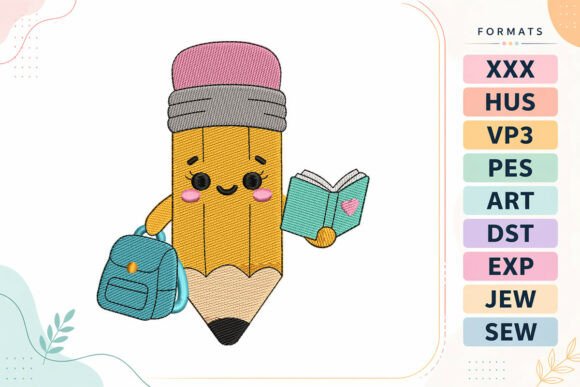
Cute Pencil Back to School: Sweatshirt Design Review
As a professional embroidery designer preparing for the upcoming seasonal rush, I am constantly evaluating new assets to ensure they meet the rigorous standards of commercial apparel production. When sourcing a machine embroidery design for a boutique brand, the criteria go far beyond simple aesthetics; we must consider stitch integrity, fabric compatibility, and marketability. Today, I am reviewing the "Cute Pencil Back to School" design specifically for use on premium sweatshirts and hoodies. This evaluation focuses on translating a digital concept into a high-quality finished product that resonates with students, parents, and educators while maintaining the durability required for daily wear.
First Impressions and Aesthetic Versatility
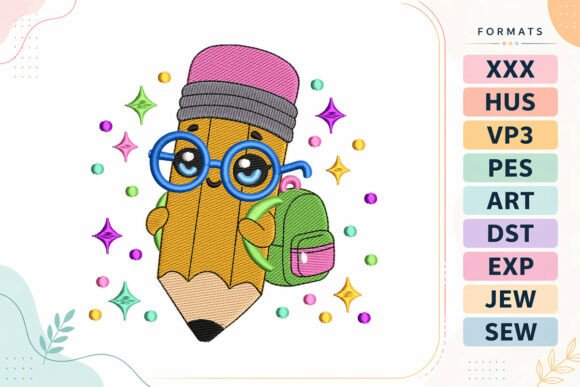
The initial appeal of the Cute Pencil Back to School design lies in its narrative charm. Featuring a smiling pencil character carrying a backpack and reading a book, this artwork strikes an excellent balance between playful and polished. For a boutique brand, avoiding overly juvenile or cartoonish aesthetics is crucial when targeting a broader demographic that includes college students and adult learners. This design achieves a sophisticated whimsy that feels appropriate for both elementary school spirit wear and trendy collegiate-style loungewear.
Visually, the layout suggests a centered composition that would work beautifully as a left-chest placement on an oversized hoodie or a bold center-chest graphic on a crewneck sweatshirt. The mood is undeniably optimistic, which is a significant selling point for Back To School merchandise. However, from a designer’s perspective, the true test is how this translates to thread. The combination of linear elements (the pencil body) and organic shapes (the backpack and book) offers a dynamic stitching experience that prevents the design from looking flat or monotonous on heavier fabrics.
Evaluating Stitch Density and Fabric Compatibility
Sweatshirt embroidery presents unique challenges due to the loft and texture of fleece and French terry materials. When reviewing this embroidery file, my primary concern is stitch density. A design intended for a cute pencil character must have enough coverage to prevent the fabric texture from showing through the solid fill areas, yet not be so dense that it creates a bulletproof patch that distorts the garment. Based on the visual complexity of the backpack and book details, I anticipate needing to verify that the underlay is sufficient for high-pile fabrics without adding unnecessary bulk.
For neutral sweatshirts in shades like oatmeal, charcoal, or sage green, thread color contrast becomes paramount. The Cute Pencil Back to School design likely relies on specific shading to give the character dimension. On dark fabrics, ensuring the outline or edge-run stitches are visible is essential for definition. Conversely, on pastel colors, the design needs enough saturation to avoid looking washed out. As an Etsy seller or small shop owner, testing this design on your specific blank inventory is non-negotiable. A design that looks vibrant on screen must hold up against the napped surface of a cozy hoodie.
Commercial Viability for Small Businesses
For creative entrepreneurs and apparel decorators, time is money. A well-digitized digital embroidery file should run smoothly without excessive trims or thread breaks. While I cannot confirm the exact stitch count or optimization without running a test sew-out, the subject matter of Cute Pencil Back to School suggests a manageable size for standard commercial hoops. This efficiency is vital for batch production during the peak back-to-school season. If the design requires frequent re-hooping or complex stabilization changes, it may not be suitable for high-volume runs, regardless of how adorable it appears.
Furthermore, this design serves as a strong anchor for brand identity. In the saturated market of custom apparel, having recognizable, consistent imagery helps build buyer trust. A smiling pencil is a universal symbol of learning that transcends language barriers and age groups. For a handmade business, using such a distinct and cheerful motif can elevate the perceived value of the garment. It transforms a basic sweatshirt into a storytelling piece, encouraging customers to engage with the product emotionally rather than just functionally.
Placement Strategy and Merchandising Potential
Versatility is key for maximizing the return on investment for any design assets. Beyond the standard chest placement, consider how Cute Pencil Back to School could function as a sleeve accent or a smaller pocket-sized logo. The character’s vertical orientation lends itself well to sleeve embroidery, creating a cohesive look across a collection. For lifestyle product photography, this design photographs exceptionally well because of its inherent personality. Mockups featuring this design should emphasize the texture of the embroidery to highlight the quality of the handmade product.
When listing this item, whether on Etsy or a standalone site, the description should mirror the care taken in production. Highlighting that the design features a "smiling pencil carrying a backpack" evokes nostalgia and excitement. However, always remind potential buyers to check care instructions. Embroidered apparel requires specific washing protocols to maintain the integrity of the threads and the stability of the fabric. Proper education increases customer satisfaction and reduces returns.
Technical Considerations for Production Success
Before committing to a full production run, several technical factors regarding the Cute Pencil Back to School design must be addressed. Stabilizer choice is the foundation of successful sweatshirt embroidery. For this type of character design on fleece, a cut-away stabilizer is typically recommended to support the weight of the stitches and prevent puckering over time. Hoop size selection also matters; using the smallest hoop possible for the design area ensures better tension and registration, resulting in crisper details on the book pages and backpack straps.
Additionally, consider the longevity of the design. Back to school items are subjected to rigorous wear, frequent washing, and active movement. The connection points between the pencil, backpack, and book must be secure. If you are digitizing this yourself or modifying an existing file, ensure there are adequate tie-ins and tie-offs. For those purchasing this as a pre-made embroidery file, running a test on scrap fabric identical to your production blanks is the only way to guarantee commercial viability. Check for jump stitches that might snag and verify that small text or facial features remain legible at your intended size.
Enhancing Value Through Presentation
Ultimately, the success of the Cute Pencil Back to School design depends on how it is presented to the end consumer. A printable mockup can help visualize the scale, but nothing replaces photos of the actual embroidered piece. Showcasing the design on multiple fabric colors demonstrates versatility and helps customers envision the product in their own wardrobe. For small shop product lines, bundling this design with complementary academic motifs can increase average order value. Perhaps pair the pencil sweatshirt with a matching tote bag or teacher appreciation gift.
In conclusion, Cute Pencil Back to School represents a promising asset for the upcoming season. Its blend of charm and thematic relevance makes it a strong contender for boutique collections. By paying close attention to stitch density, fabric interaction, and commercial production realities, embroiderers can transform this digital art into a profitable, high-quality apparel line. Always validate technical specifications before mass production, and let the quality of your craftsmanship shine through every stitch. When executed correctly, this design has the potential to become a bestseller that defines your brand's back-to-school offering.