Autism Teacher Faux Yarn Embroidery PNG Review
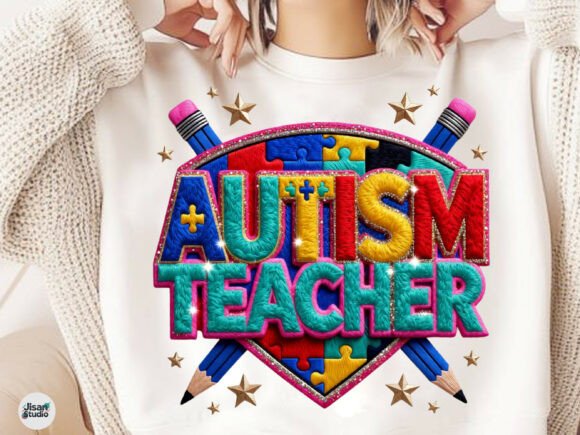
As an embroidery designer constantly curating collections for boutique apparel, I am always searching for graphics that bridge the gap between digital art and tactile texture. When planning a new line of cozy sweatshirts and hoodies for educators and support staff, the Autism Teacher Faux Yarn Embroidery PNG immediately caught my attention. This design offers a unique visual proposition: the warmth and nostalgia of traditional yarn crafts rendered in a clean, modern graphic format suitable for both machine embroidery digitizing and sublimation. For creative entrepreneurs and Etsy sellers, understanding how this specific aesthetic translates to physical garments is crucial for building a cohesive brand identity.
Visual Personality and Design Mood
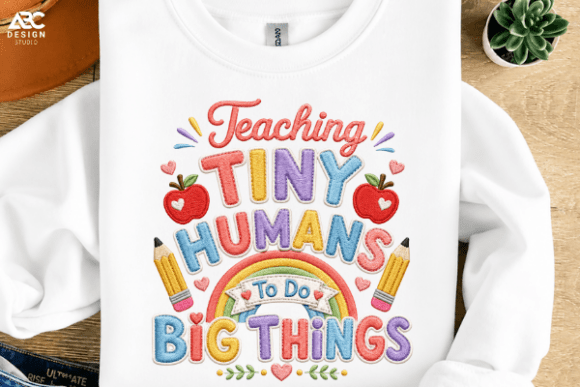
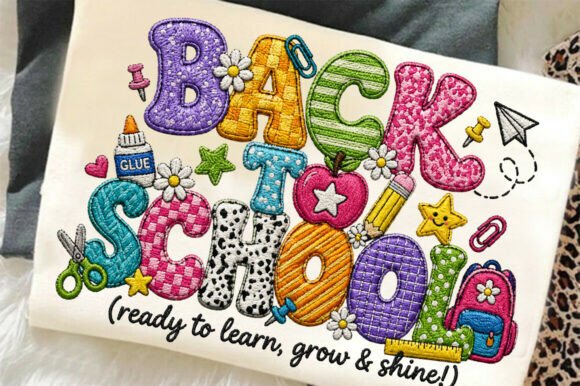
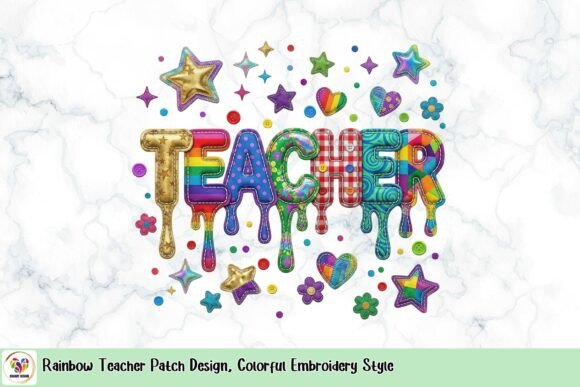
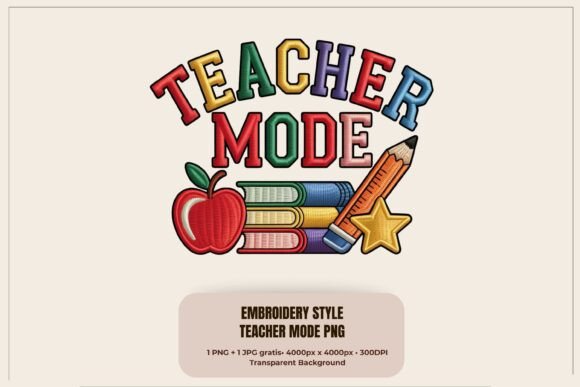
The first impression of the Autism Teacher Faux Yarn Embroidery PNG is one of comforting softness. Unlike standard flat vector art, this design mimics the dimensional quality of knitted or crocheted textures. For a boutique brand focusing on special education themes, this is significant. It avoids clinical sterility in favor of a handmade product feel that resonates emotionally with buyers. The visual mood strikes a balance between playful and professional, making it appropriate for adult-sized apparel rather than just children’s wear.
When reviewing this graphic for custom apparel, I noted its decorative strength lies in its simulated texture. Even before a single stitch is placed, the artwork suggests volume. This makes it an excellent candidate for designs where you want the perceived value of high-density stitching without necessarily requiring 40,000 stitches. For T-Shirt Designs and Graphics categories, this faux yarn style stands out because it feels organic and rustic, yet remains trendy enough for current market demands.
Application Across Apparel and Accessories
In preparing a small collection for an online shop, versatility is key. The Autism Teacher Faux Yarn Embroidery PNG performs exceptionally well across various garment types, provided the application method matches the fabric characteristics.
- Sweatshirt Embroidery: On neutral-colored crewneck sweatshirts, this design serves as a perfect center chest piece. The faux yarn texture complements the fleece backing of the garment, creating a harmonious tactile experience.
- Hoodie Design: For oversized hoodies, consider placing the graphic slightly lower on the torso or utilizing it as a large back print. The intricate details of the yarn effect remain visible even at larger scales, which is essential for lifestyle product photos.
- Tote Bags and Denim: The structured nature of canvas totes and denim jackets provides a stable base that supports the detailed lines of this embroidery file. The contrast between the rugged fabric and the soft yarn aesthetic creates a compelling visual tension.
- Pastel and Dark Apparel: While this design shines on cream and beige tones, it also offers opportunities for high-contrast styling on dark navy or charcoal garments, provided thread colors are adjusted to maintain definition.
Technical Considerations for Machine Embroidery
While the Autism Teacher Faux Yarn Embroidery PNG is listed as a premium graphic design, experienced embroiderers know that converting a raster or vector image into a machine embroidery design requires careful planning. Because this graphic simulates yarn, your digitizing strategy must reflect that texture. Standard satin stitches may look too flat. Instead, consider using bean stitches, running stitches with varied spacing, or specialized textured fills to replicate the "faux yarn" appearance physically.
Stitch density is a critical factor here. To achieve the look of yarn without causing fabric distortion, you may need to adjust the underlay and top stitch relationship. Always test on scrap fabric that matches your final garment weight. If you are working with stretchy ribbed cuffs or lightweight jersey t-shirts, the density required to render this detail could cause puckering. In these cases, using a heavier stabilizer or opting for a cut-away backing is non-negotiable to preserve the integrity of the finished product.
Furthermore, confirm the hoop size requirements before purchasing. Detailed faux yarn designs often require larger hoops to maintain clarity. Shrinking this design down to fit a 4x4 hoop might result in lost definition, turning what should be distinct yarn strands into a muddy blob of thread. Always review the Creative Fabrica product details to ensure the resolution and dimensions support your intended commercial embroidery projects.
Strategic Placement and Fabric Limitations
Not every placement works for textured graphics. When using the Autism Teacher Faux Yarn Embroidery PNG, exercise caution with curved surfaces like sleeve caps or hat fronts. The linear nature of yarn patterns can distort visually when wrapped around tight curves unless the digitizing accounts for that distortion. Similarly, highly textured fabrics like terry cloth or boucle may compete with the design itself. The faux yarn effect needs a relatively smooth canvas to be appreciated; otherwise, the garment texture and the design texture will clash, reducing visual clarity.
For small shop products, consistency builds buyer trust. If you use this design on a sweatshirt, ensure your printable mockup accurately represents the scale and placement. Customers expect the finished product to match the digital preview. Using this graphic effectively means acknowledging where it thrives (flat, stable areas) and where it struggles (high-stretch zones), ensuring your boutique merchandise maintains a professional presentation.
Elevating Brand Value and Customer Engagement
In the niche of autism awareness and teacher appreciation, authenticity matters. The Autism Teacher Faux Yarn Embroidery PNG contributes to a brand identity that feels thoughtful and crafted rather than mass-produced. This distinction directly affects apparel value. Buyers are often willing to pay a premium for items that appear bespoke or artisanal. By leveraging a design that inherently looks handcrafted, you align your digital embroidery file with the values of care and patience associated with the subject matter.
From a marketing perspective, this design is highly photogenic. The simulated texture catches light differently in social media graphics compared to flat prints, encouraging higher engagement rates. For Etsy sellers, listing photos that showcase the depth of the design—even if it is achieved through sublimation or clever digitizing—can improve click-through rates. It signals to the buyer that this is a special item, not just another generic graphic.
Essential Pre-Production Checklist
Before adding this design to your production queue, adhere to these practical steps to ensure success:
- Verify Licensing: Check the specific Creative Fabrica embroidery license terms. Ensure you have the rights to sell finished physical apparel versus just digital files.
- Test Stitch-Out: Never run a full production batch without a test sew-out on the exact fabric type. Inspect stitch density and registration.
- Thread Color Matching: Select thread colors that enhance the yarn illusion. Matte threads often work better than high-sheen rayon for mimicking wool or cotton yarn textures.
- Stabilizer Selection: Match your stabilizer to the garment weight. Fleece requires different support than cotton tees.
- Mockup Accuracy: Create realistic printable mockups that reflect the actual size and placement on the garment to manage customer expectations.
The Autism Teacher Faux Yarn Embroidery PNG represents a versatile asset for apparel decorators and handmade business owners. Whether utilized for direct machine embroidery or sublimation on mugs and frames, its strength lies in its ability to evoke warmth and craftsmanship. By approaching this design with technical diligence and strategic placement, you can create meaningful, high-quality products that resonate deeply with your target audience while maintaining the professional standards necessary for a successful boutique brand.